


How to Choose the Best Towel Manufacturer in Pakistan
Pakistan is one of the world's largest towel-producing countries — but towel manufacturers and suppliers vary enormously in capacity, quality control and reliability. Whether you're sourcing hotel towels in bulk, building a private-label retail range, or appointing a wholesale exporter, this guide lays out the criteria that define the best towel manufacturer for your needs — and the questions that separate a real manufacturer from a trading desk.
Sourcing Guide · For Importers & Brand Owners
CONTEXTWhy source towels from Pakistan
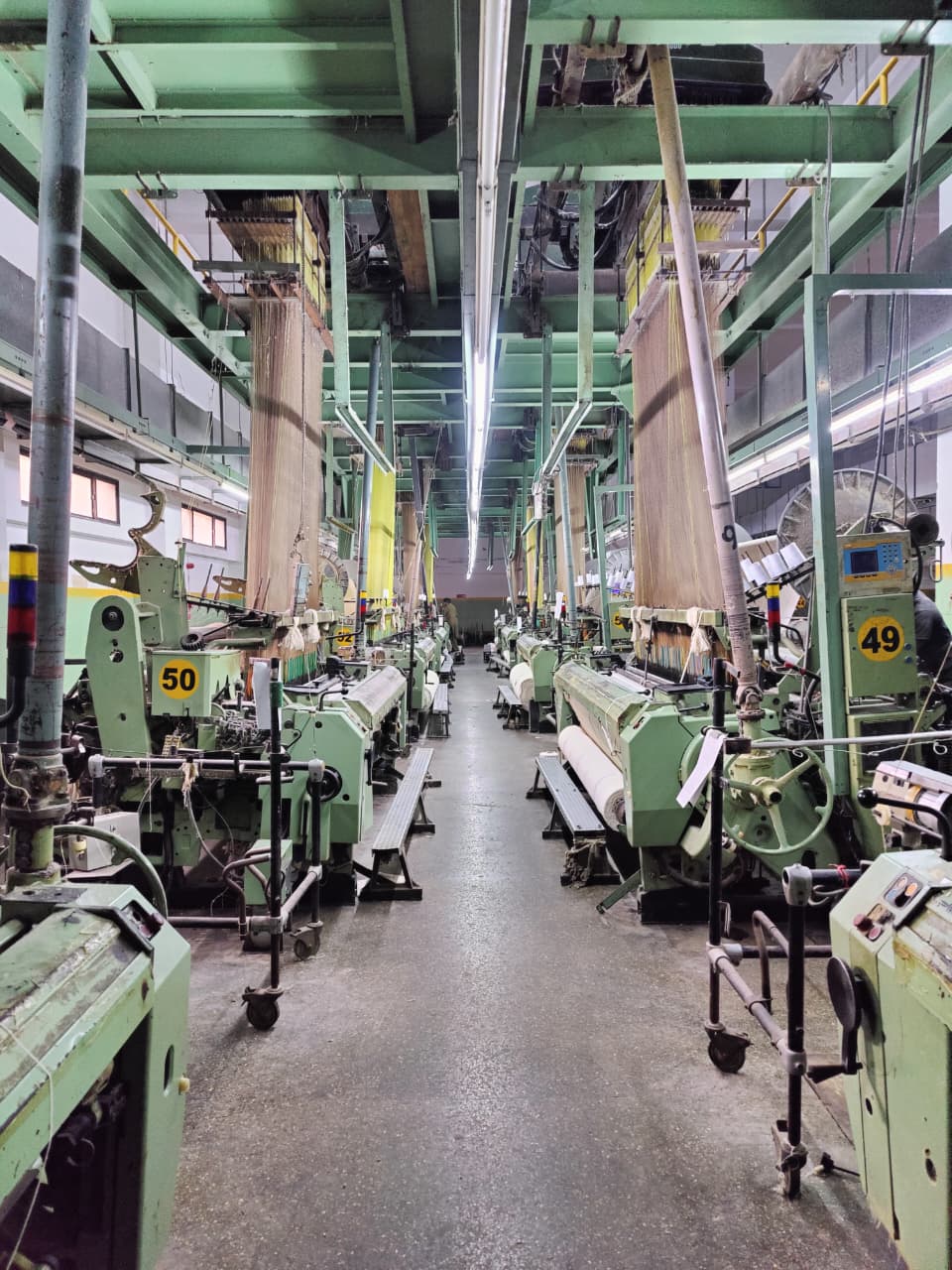
Pakistan is one of the top cotton producers in the world, which gives its towel manufacturers and exporters a natural raw-material advantage. The country's terry towel sector is built on vertically integrated production — spinning, weaving, dyeing and finishing under one roof — which means better quality control and more competitive wholesale pricing than buying through traders. Whether you need bath, hotel, beach or baby towels, in bulk or private label, the best mills handle the full range. For European and British buyers there's an added edge: duty-free access (more on that below).
THE CRITERIAFive things that actually matter
Every supplier calls itself the best towel manufacturer in Pakistan — so ignore the marketing language ("premium quality, soft, absorbent") and judge on evidence. These five criteria genuinely separate the best manufacturers from the rest:
VERIFYThe four certifications that matter
A serious manufacturer holds all four and can produce current certificates on request. If a supplier hesitates to share certificate details, treat it as a warning sign.
CAPACITYWhat real production capacity looks like
This is the number most buyers forget to ask for — and the one that tells you whether a supplier can actually deliver at scale, consistently. As a benchmark, here's what an established mid-to-large terry manufacturer looks like:
| Production metric | Tulip Towel Industries |
|---|---|
| Annual production capacity | 2,400 tons |
| Covered facility area | 40,000 sq ft |
| Total site size | 2 acres |
| Established | 1998 |
| International certifications | OEKO-TEX, ISO 9001, BSCI, BCI |
| Trade bodies | Member, Towel Manufacturers Association of Pakistan (TMA); registered with the Trade Development Authority of Pakistan (TDAP) |
| Production model | Vertically integrated — spinning, weaving, dyeing, finishing in-house |
Vertical integration matters as much as raw size: a mill that spins, weaves, dyes and finishes in-house controls quality at every stage, rather than outsourcing steps where consistency slips. Membership of the Towel Manufacturers Association of Pakistan (TMA) is another credibility marker worth checking.
LANDED COSTThe duty advantage most buyers miss
Your real cost isn't the factory quote — it's the landed cost after duty. This is where Pakistan-origin towels have a genuine, often-overlooked edge:
| Destination | Duty on Pakistani cotton terry towels |
|---|---|
| European Union | 0% — under GSP+ |
| United Kingdom | 0% — under DCTS Enhanced |
| United States | ~19.1% (standard MFN rate) |
For EU and UK buyers, Pakistan's duty-free position is a direct landed-cost saving versus many competing origins. Here's how the main sourcing origins compare on EU import duty for cotton terry towels:
| Origin | EU import duty | Note |
|---|---|---|
| Pakistan | 0% | GSP+ preferential access |
| India | ~7.8% | Standard MFN; not GSP-eligible for textiles |
| China | ~12% | Standard MFN, plus periodic trade measures |
| Turkey | 0% | EU Customs Union (Pakistan matches this on duty) |
Duty figures indicative, based on HS 6302.60; rates change and vary by exact product — confirm current rates for your shipment. Sources: EU GSP+, UK DCTS, US CBP rulings (HS 6302.60). Our GSM guide covers comparing quotes on equal spec terms.
In short: the best towel manufacturers in Pakistan aren't the ones that say they're the best — they're the ones that can show certifications, prove capacity, commit to MOQ and lead time in writing, and own their quality control.
The buyer's checklist
- Request current certificate numbers for OEKO-TEX, ISO 9001, BSCI and BCI
- Ask for annual production capacity (tonnage) and facility size
- Confirm MOQ and realistic lead time — in writing
- Ask how quality control works and who owns it internally
- Confirm vertical integration (spinning, weaving, dyeing, finishing in-house)
- Check duty/landed cost for your destination market
- Request samples and pre-production approval before the full run
- Start with a trial order before committing to volume
- Verify trade-body membership (e.g. TMA) and export experience
Frequently asked questions
Verify four things first: international certifications (OEKO-TEX, ISO 9001, BSCI, BCI), real production capacity, MOQ and lead time in writing, and a genuine internal quality-control process. Vertical integration and trade-body membership are strong additional signals.
Capacity tells you whether a mill can handle your volume reliably and scale with you over time. A supplier producing, for example, 2,400 tons a year in a 40,000 sq ft facility can support serious ongoing programmes; vague answers about capacity are a red flag.
Yes, for EU and UK buyers. Under the EU's GSP+ scheme and the UK's DCTS Enhanced scheme, Pakistani cotton terry towels enter both markets at 0% import duty — a direct landed-cost saving versus many competing origins. US duty is around 19.1%.
No. Start with samples and pre-production approval, then a trial order, before committing to volume. A reliable manufacturer will support this process rather than pushing for a large first commitment.
Sourcing towels from Pakistan?
Tulip Towel Industries has manufactured terry towels and made-ups in Karachi since 1998 — 2,400 tons annual capacity, vertically integrated, OEKO-TEX, ISO 9001, BSCI and BCI certified, supplying hotel chains and brands across Europe with 0% EU/UK duty. Tell us what you're sourcing and we'll send specs, samples and a quote.
Latest News & Events
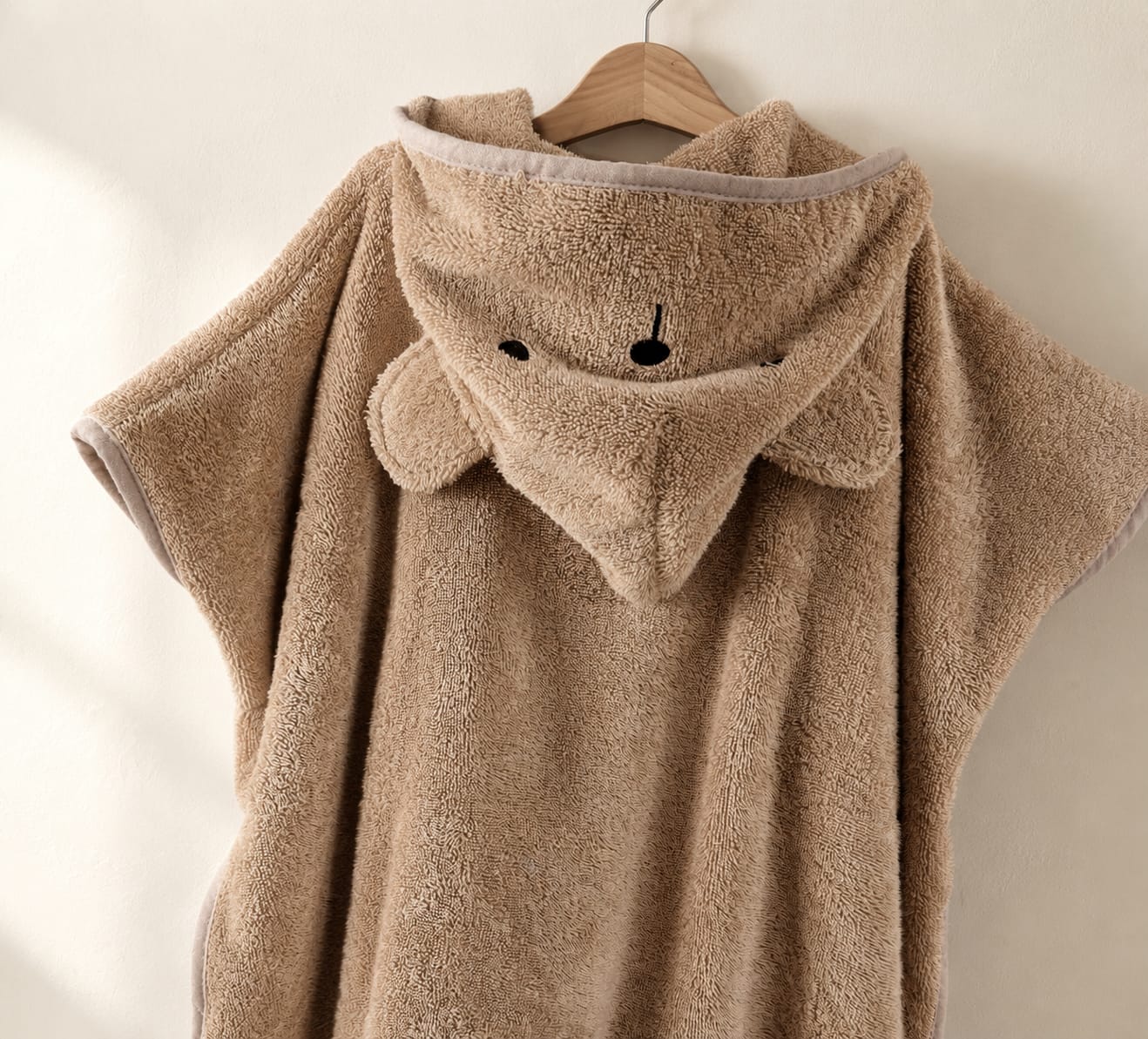
Baby Towel Manufacturer | Hooded Towels, Bibs & Robes | TTI
OEKO-TEX certified baby towel manufacturer since 1998. Hooded towels, bathrobes, bibs & gift sets in combed and zero-twist cotton. Worldwide export from Karachi.
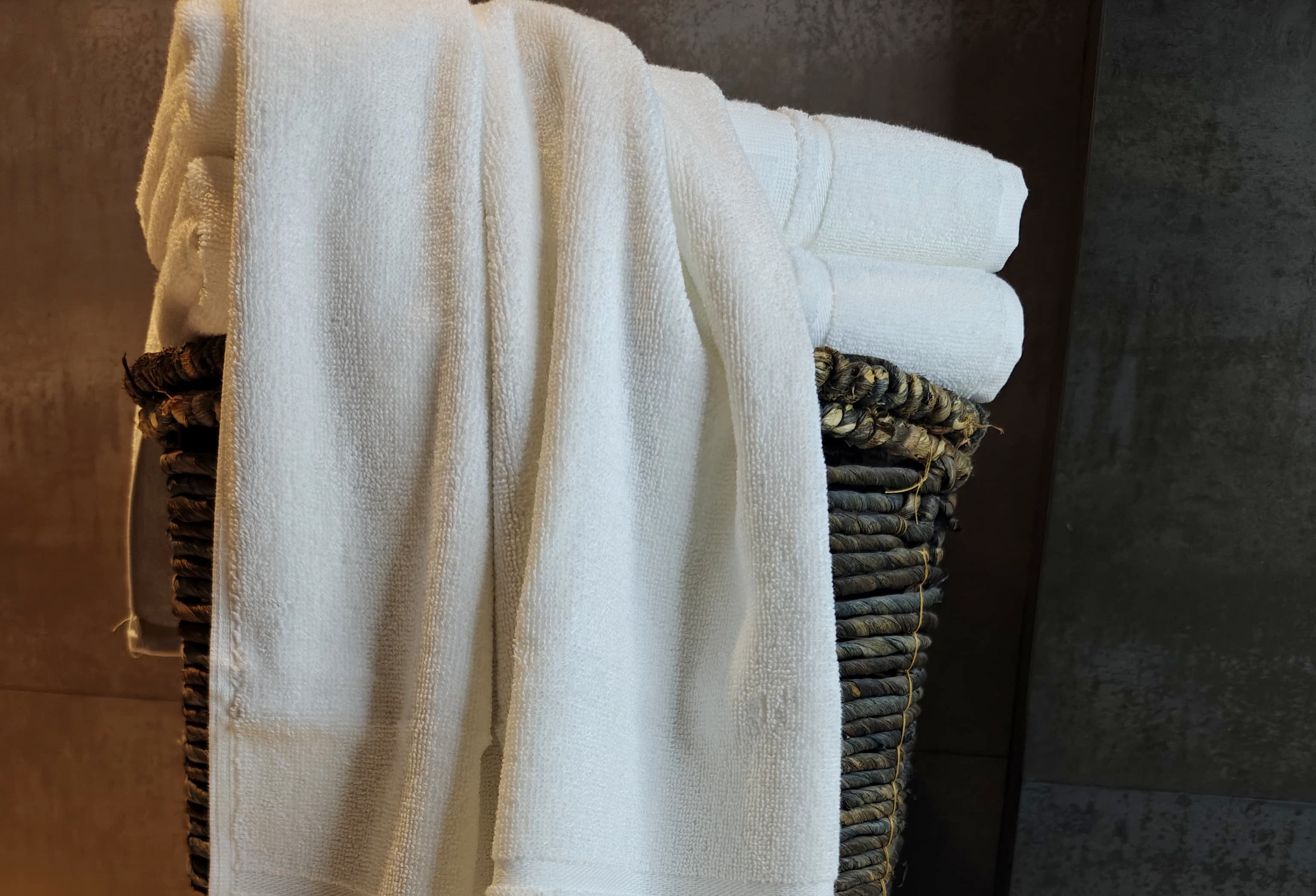
What Towels Do Hotels Use? Hotel Towel Sourcing Guide
Hotel Towel Sourcing Guide — GSM, Quality & Specs
How to Choose the Best Towel Manufacturer in Pakistan
Pakistan is one of the world's largest towel-producing countries — but towel manufacturers and suppliers vary enormously in capacity, quality control and reliability. Whether you're sourcing hotel towels in bulk, building a private-label retail range, or appointing a wholesale exporter, this guide lays out the criteria that define the best towel manufacturer for your needs — and the questions that separate a real manufacturer from a trading desk.
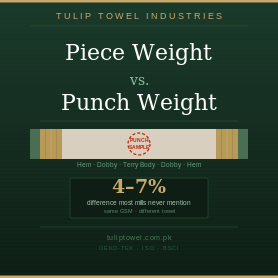
Piece Weight vs. Punch Weight: The 4–7% Most Factories Never Mention
Two towels. Same GSM on the spec sheet. Different physical weight. Here's exactly what's happening — and how to make sure you're comparing quotes on the same ruler.
Why the Beach Towel Market Isn't Saturated — It's Mis-Sourced
A field guide for e-commerce brand owners on building a beach towel SKU that competes on product, not price. Covers GSM, dimensions, jacquard vs. print, and the economics of getting it right.
Heimtextil 2026 — We Were There
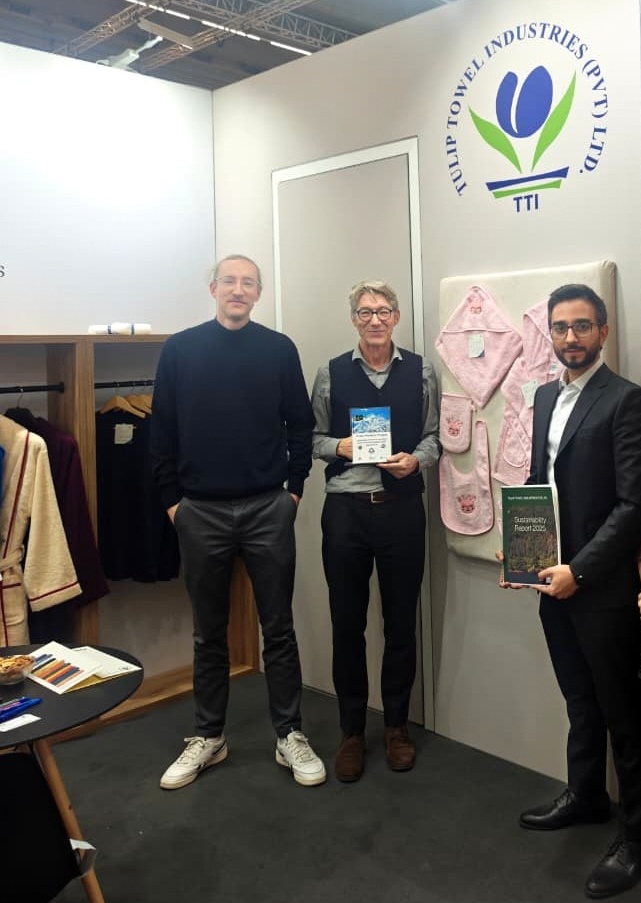
A recap of Tulip Towel Industries at Heimtextil 2026, Frankfurt — Hall 8, Stand K45. See the terry, zero-twist, bamboo, baby and bathrobe collections we showcased to global buyers.
Sourcing Towels & Home Textiles for E-Commerce: Quality, Packaging & Supplier Tips
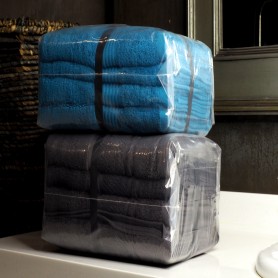
Discover how to source high-quality towels and home textiles for your e-commerce brand. Learn about certifications, packaging, and supplier strategies to grow online sales.

How to Choose the Best Towels for Your Hotel or Retail Business – A Buyer’s Guide
A practical buying guide for hotels and retailers — GSM, yarn types, certifications and supplier checklist.

Baby Towels Wholesale — Hooded Towels, Bibs & Nursery Sets | OEKO-TEX Manufacturer
OEKO-TEX Class I certified baby hooded towels, bathrobes and wash cloths — manufactured in Pakistan. Custom embroidery and gift packaging available from MOQ 300 per colour. 800KG per Order.
Heimtextil 2025 Recap — What We Showed in Frankfurt
Tulip Towel Industries at Heimtextil 2025, Frankfurt — the collections we showed, what buyers were asking for, and what it told us about where the market is heading in 2026.
What is GSM in Towels? Complete Guide for Sourcing Managers
As a sourcing manager, selecting the right towels is all about balancing quality, durability, and cost. GSM — grams per square metre — is the key specification to understand. This guide explains what GSM means and how to choose the right weight for your hotel, spa, or retail business.