
The 10 Things We Check Before Any Garment Leaves Our Factory
Most quality checklists floating around online are written by people who've never stood at a cutting table. This one isn't.
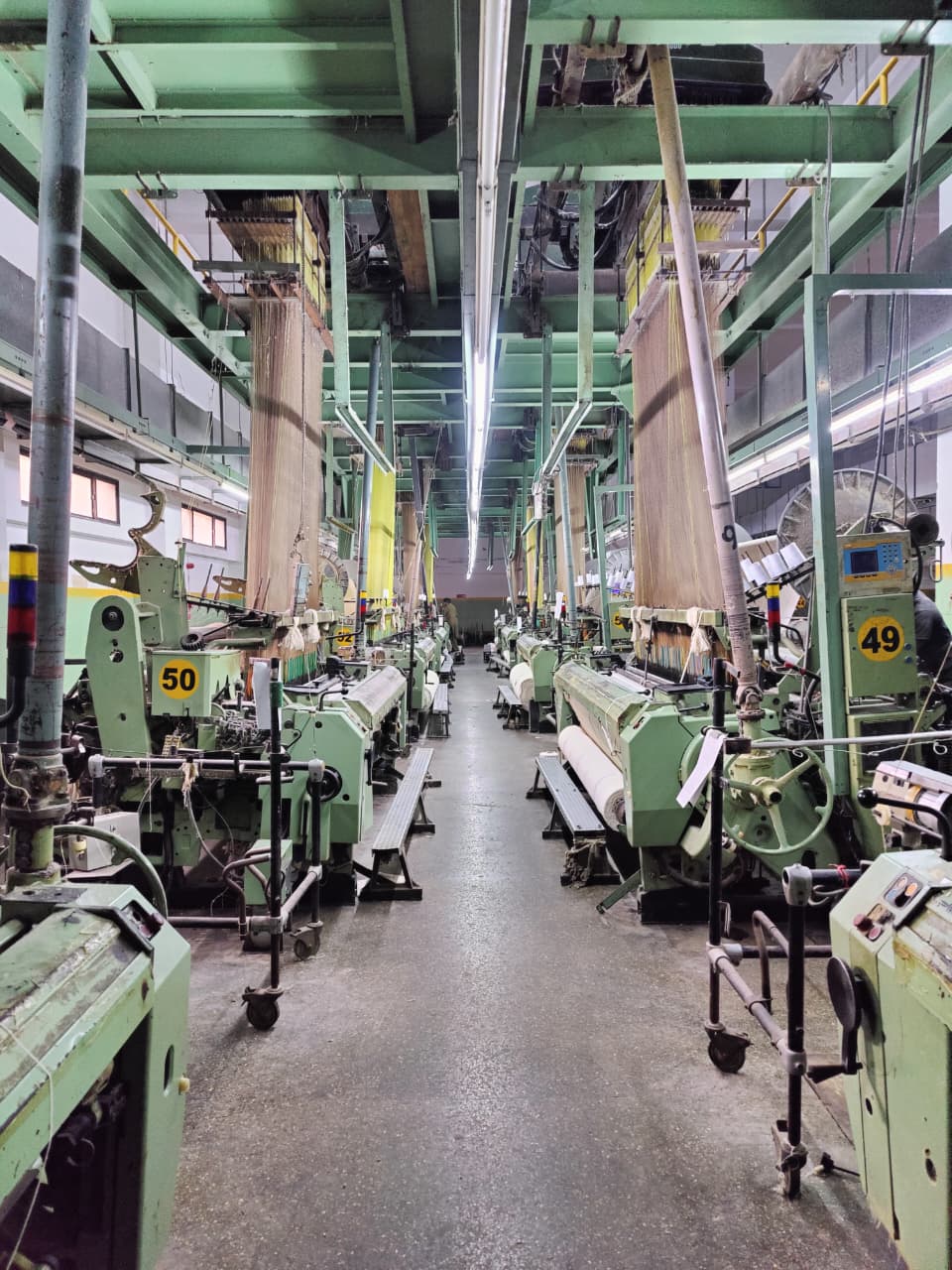
Below are the ten things we check before any t-shirt or hoodie order leaves this factory — the ones that quietly decide whether a garment holds up, or falls apart after a few washes. The first four go deepest; all ten belong on your list.
“Staple length, torque, crocking — the words your factory should be using, and probably isn't.”
High-tensile sewing thread
This is the difference most buyers never think to ask about. Chinese manufacturers are consistently good at this — it's a real reason their t-shirts last ten-plus years while many Pakistani-made ones don't. Cheap thread is invisible on day one and the first thing to go at the seams. Ask what tensile-strength thread your factory runs — not just what fabric they use.
The fiber, not just the fabric
Anyone can offer you a basic cotton t-shirt. What separates a garment that actually reads as premium is the fiber underneath it. Long-staple cotton gives fabric a shine that speaks for itself — no marketing copy required. Ask for a minimum of 24mm staple length, and push for 26–29mm where you can. It shows up in hand-feel before it shows up anywhere else.
Torque — the defect you can't see on a fresh sample
Circular knit fabric that isn't properly relaxed before cutting will twist at the side seams — but only after the first wash. A garment can look perfectly straight off the table and still torque badly once your customer washes it. Never approve a sample straight off the cutting table. Ask your factory for a washed sample before you sign off.
Ask for the lab report before the fabric is even cut
Colorfastness — colour staining and colour change at 60°C — should be tested and documented before your fabric goes anywhere near a cutting table, not discovered after a customer complains their new shirt rubbed dye onto a car seat. A result of 3.5 out of 5 is considered acceptable. If your factory can't produce this report on request, that's the answer to whether they're testing at all.
Front neck drop
How far the collar dips at the front decides a surprising amount: too shallow and it looks like it's choking the wearer, too deep and it reads as cheap. Ask for a stated neck drop in the spec, checked against your approved sample on the run — a couple of millimeters of drift and a plain crew stops looking intentional.
Flatlock stitch, no raw edge
Run a finger along the flatlock seams. There shouldn't be any excess fabric protruding out of the stitch line — we call this a raw edge, and once you know to look for it, it's one of the fastest checks in the room.
Shrinkage tolerance, agreed in writing
Every knit shrinks a little; the problem is when it shrinks more than expected and a medium comes back a small. Agree a stated maximum percentage after a defined wash, so "it shrank" is measured against a number you both signed off on.
Rib recovery at the neck
A collar that stretches out and never springs back is the fastest way a t-shirt starts to look old. Good rib recovers its shape after being pulled; check it on a washed sample, not a fresh one.
Shade & GSM consistency across the batch
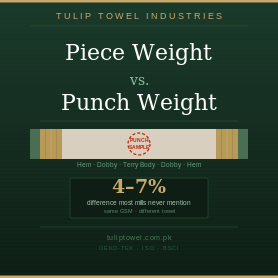
One approved swatch says nothing about piece 600. Ask that shade is checked across dye lots and GSM — the fabric's weight — is held to a stated tolerance across the whole run, not just on your sample.
It should sit flat on a table, no puckering
Lay a finished tee flat and look across it at eye level. Any rippling at the seams or waves at the hem is the clearest sign that cutting or sewing went wrong — customers feel it even when they can't name it. A garment that lies flat is the quiet signal the make was controlled.
None of this is complicated. It's just easy to skip when you're moving fast on a first order — and expensive to find out about after 800 pieces are already at the port. If you're planning a program and want to walk through any of it against your own samples, email or message us — it's the part we most enjoy getting right.
Cheap gets you the order once.
This is what gets you the reorder.