


Why the Beach Towel Market Isn't Saturated — It's Mis-Sourced
A field guide for e-commerce brand owners on building a beach towel SKU that competes on product, not price. Covers GSM, dimensions, jacquard vs. print, and the economics of getting it right.
|
Latest News & Events
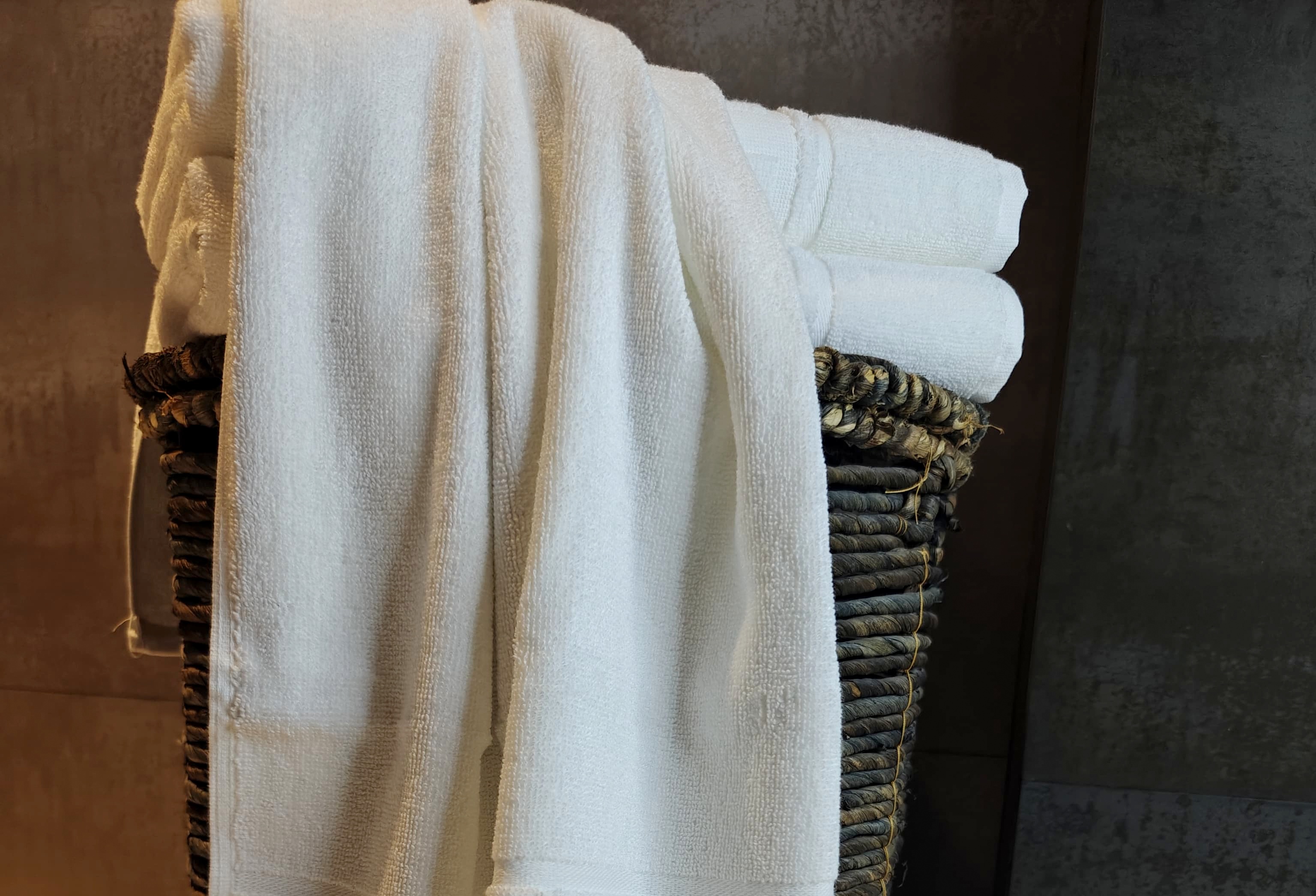
How to Choose the Best Towel Manufacturer: A 9-Point Checklist
9-point due-diligence checklist for choosing a towel manufacturer in Pakistan — certifications, capacity, MOQ, lead time, QC and vertical integration. Free one-page PDF to download.
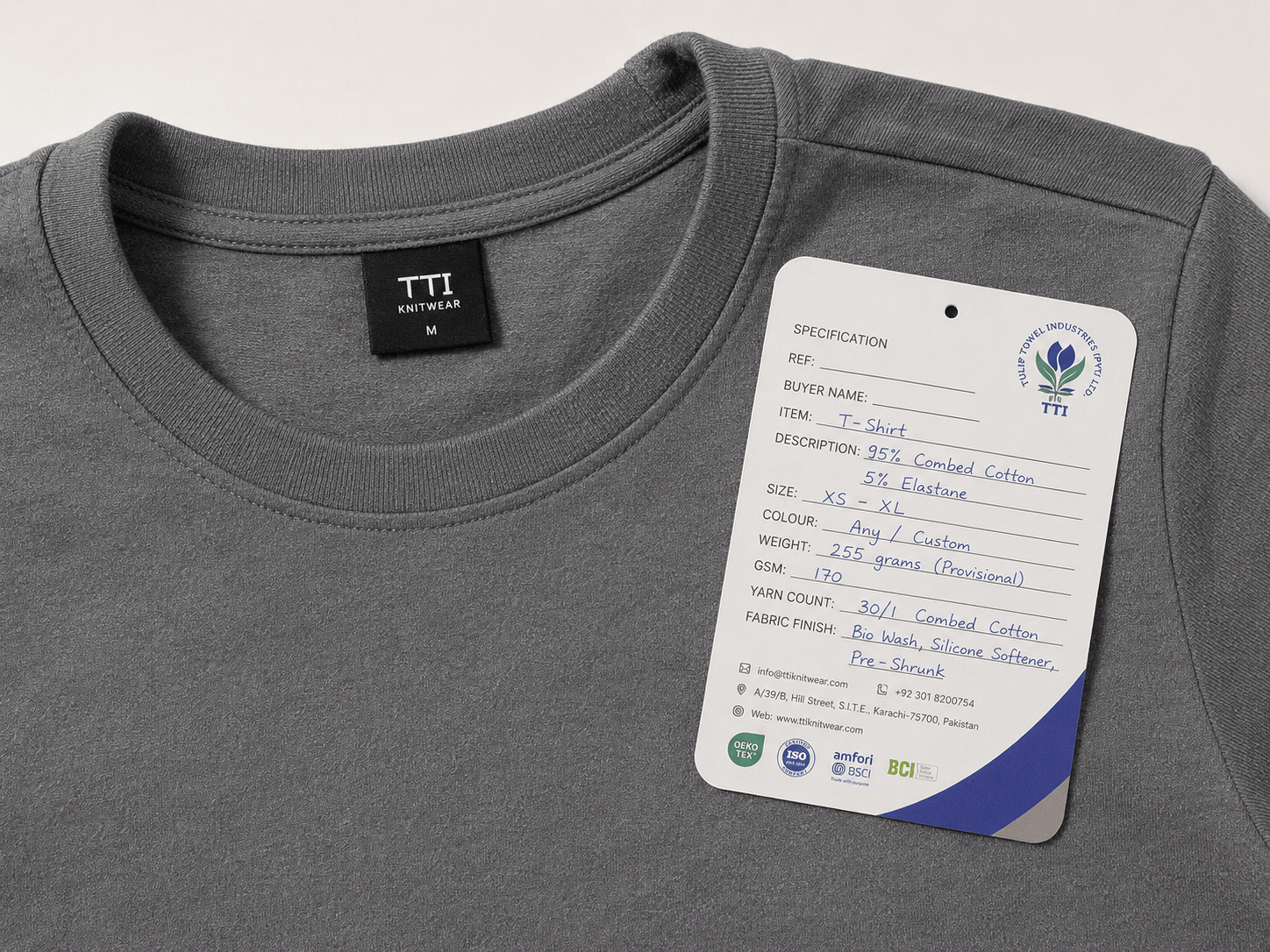
The 10 Things We Check Before Any Garment Leaves Our Factory
The ten quality checks we run before any Garment order leaves our Karachi factory — thread, fiber, torque, colorfastness, fit and finish.
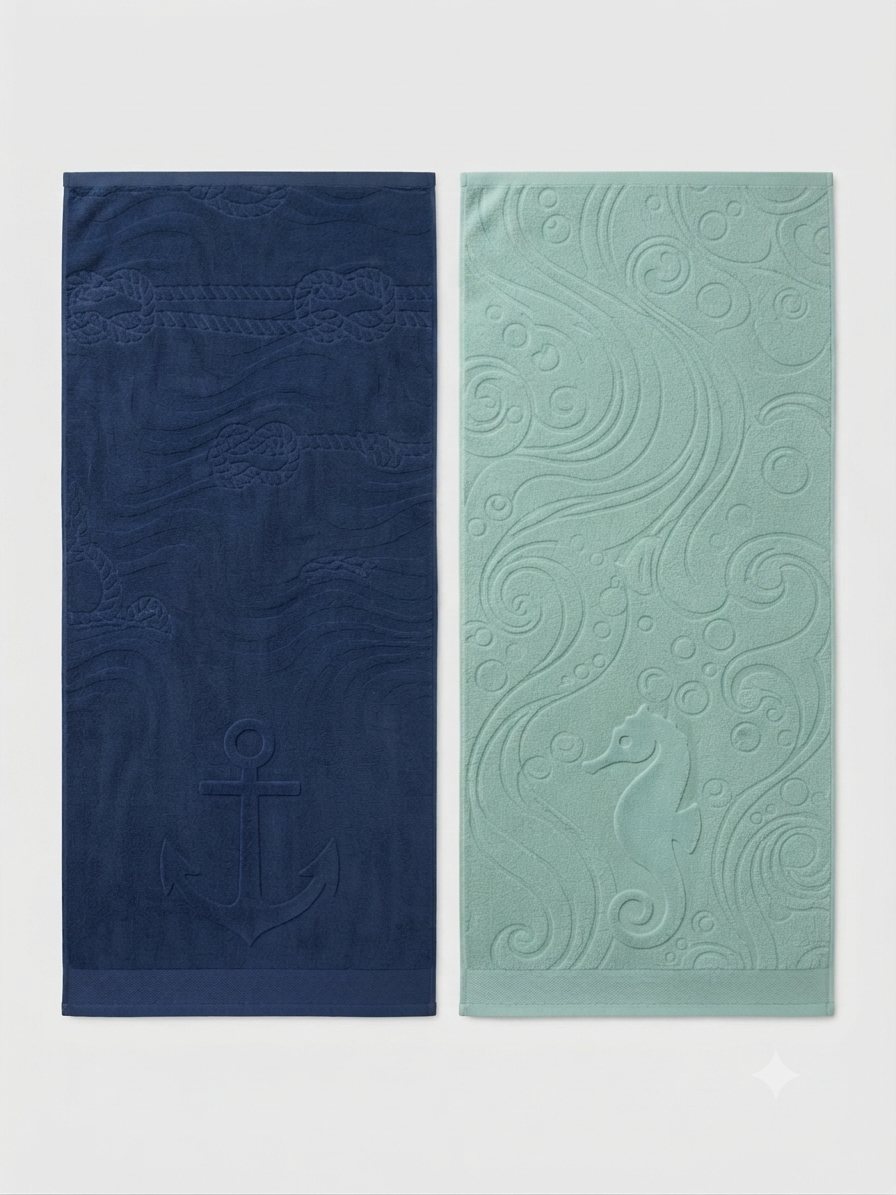
Top 5 Profitable Towel Products to Sell in 2026 | Tulip Towel
Which towel products are worth selling in 2026? Five categories with room to build a brand, explained by an export towel manufacturer.
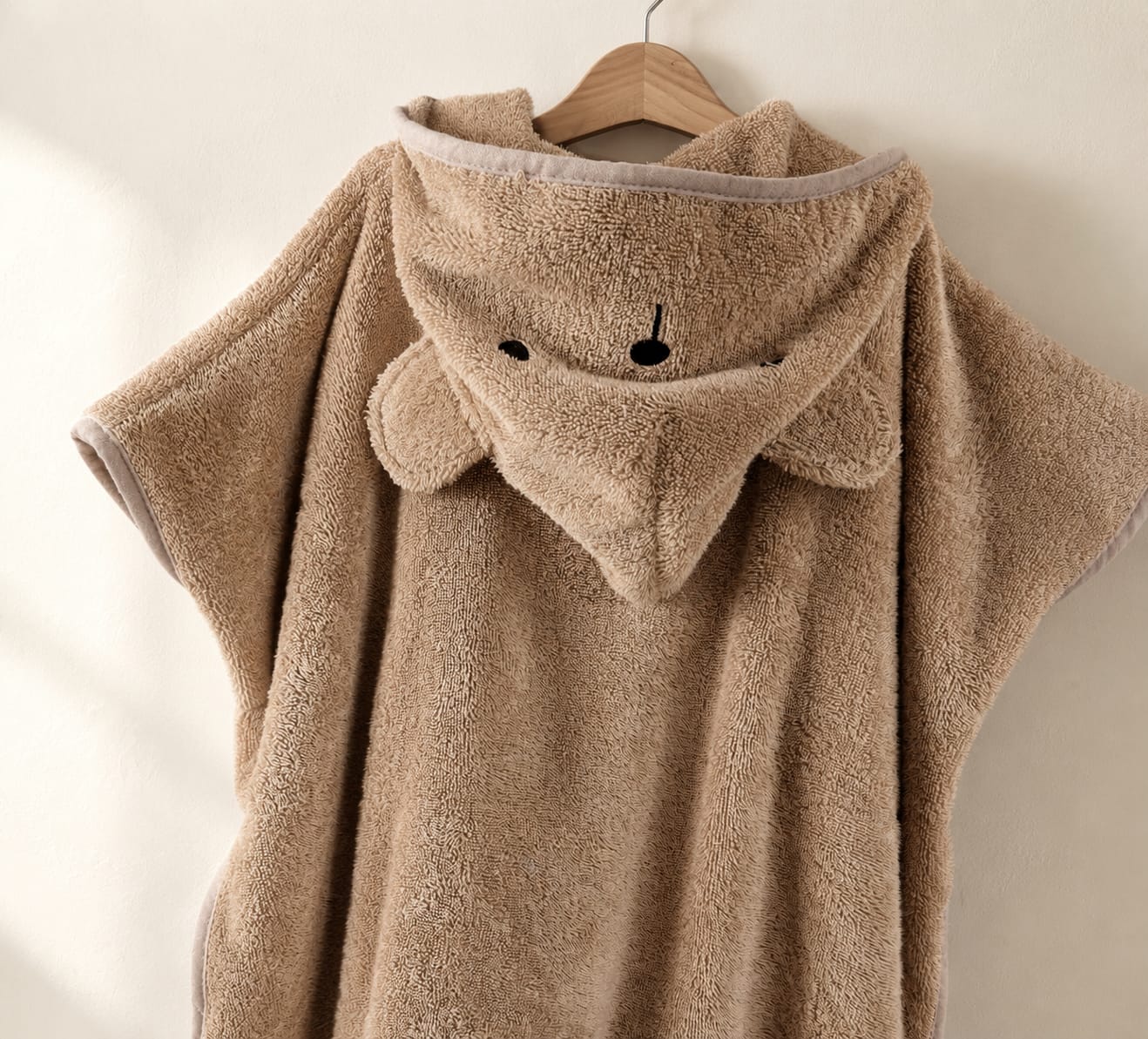
Baby Towel Manufacturer | Hooded Towels, Bibs & Robes | TTI
OEKO-TEX certified baby towel manufacturer since 1998. Hooded towels, bathrobes, bibs & gift sets in combed and zero-twist cotton. Worldwide export from Karachi.
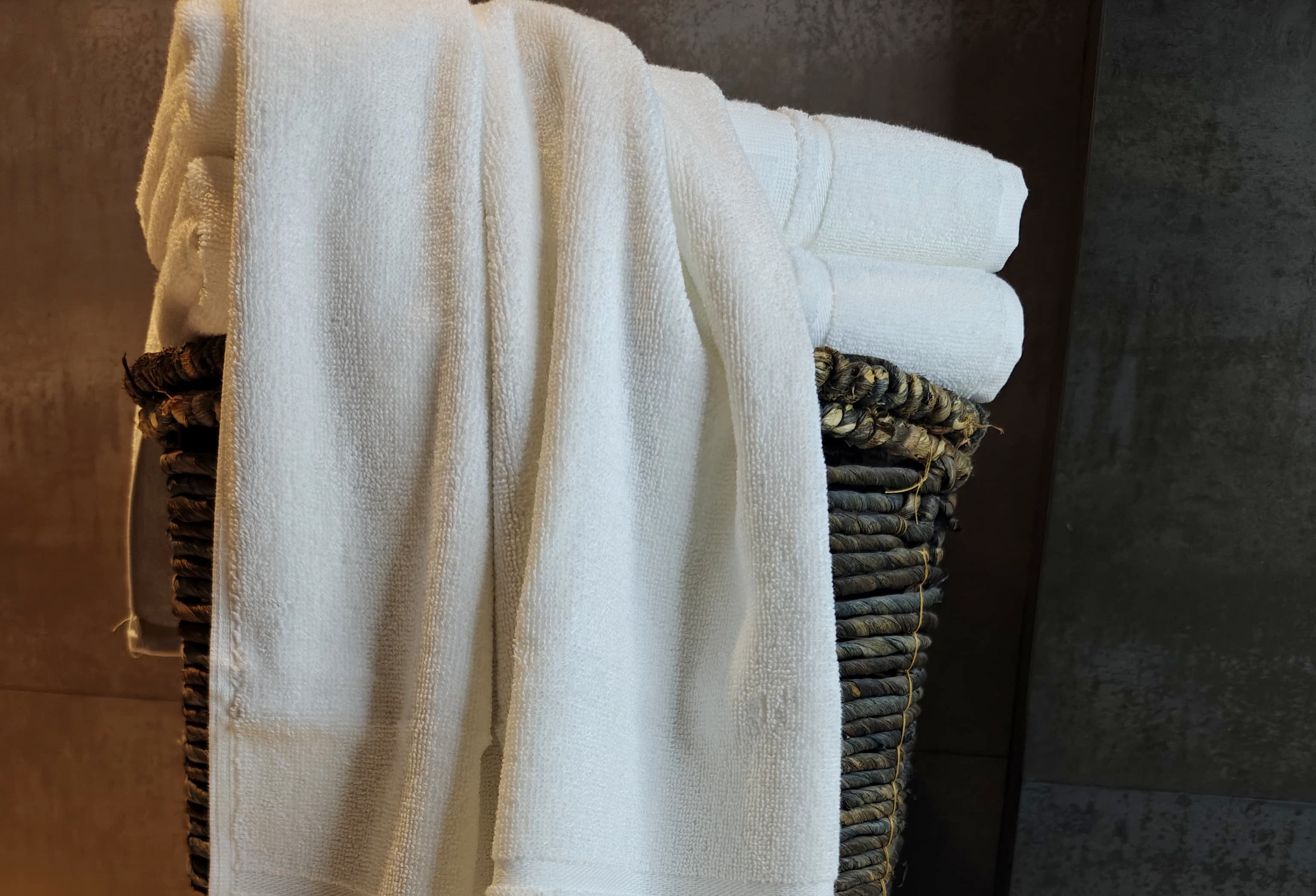
What Towels Do Hotels Use? Hotel Towel Sourcing Guide
Hotel Towel Sourcing Guide — GSM, Quality & Specs
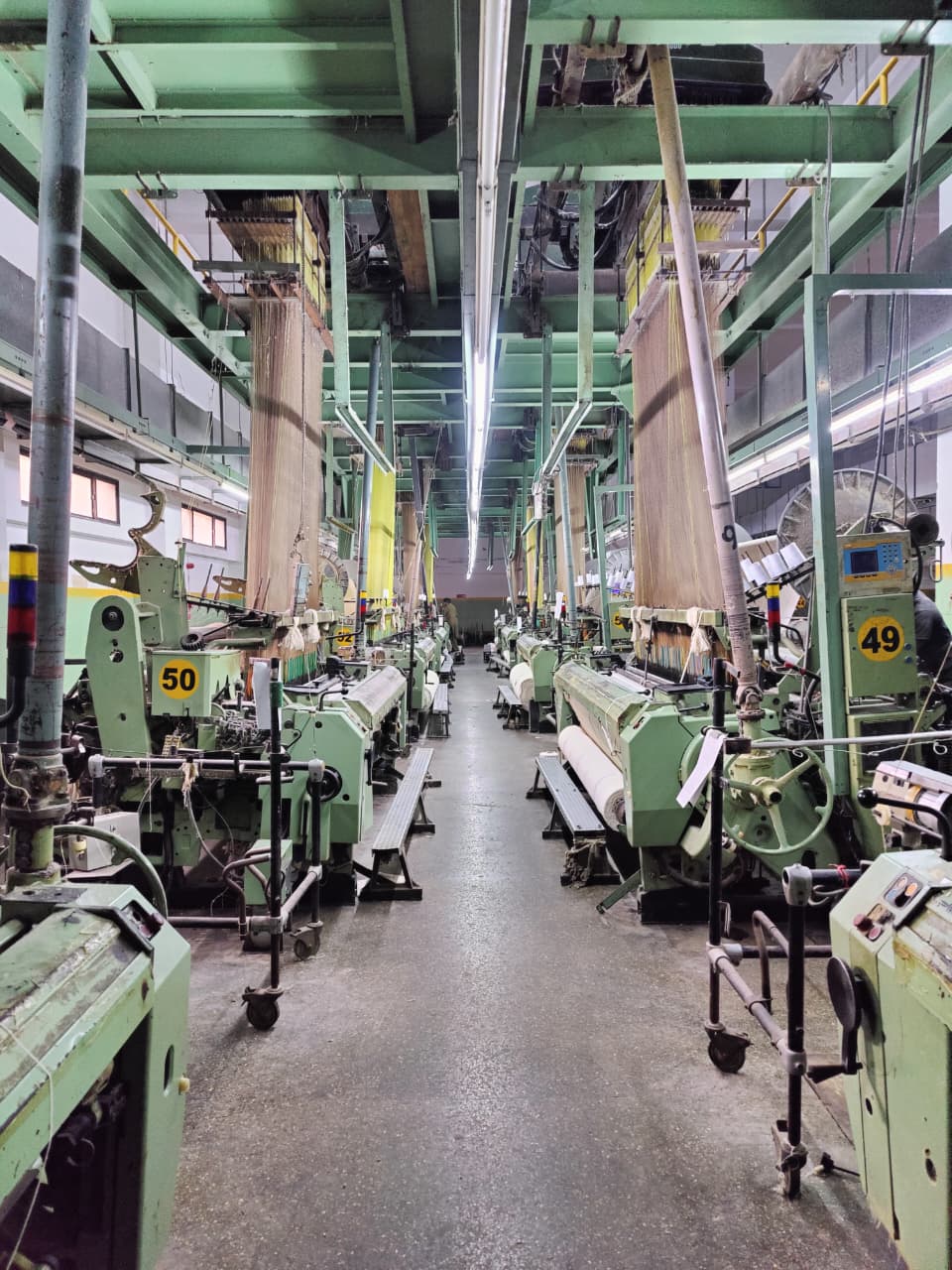
How to Choose the Best Towel Manufacturer in Pakistan
Pakistan is one of the world's largest towel-producing countries — but towel manufacturers and suppliers vary enormously in capacity, quality control and reliability. Whether you're sourcing hotel towels in bulk, building a private-label retail range, or appointing a wholesale exporter, this guide lays out the criteria that define the best towel manufacturer for your needs — and the questions that separate a real manufacturer from a trading desk.
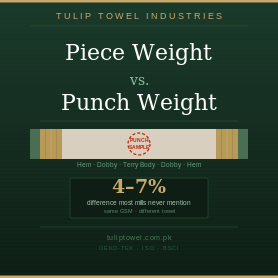
Piece Weight vs. Punch Weight: The 4–7% Most Factories Never Mention
Two towels. Same GSM on the spec sheet. Different physical weight. Here's exactly what's happening — and how to make sure you're comparing quotes on the same ruler.
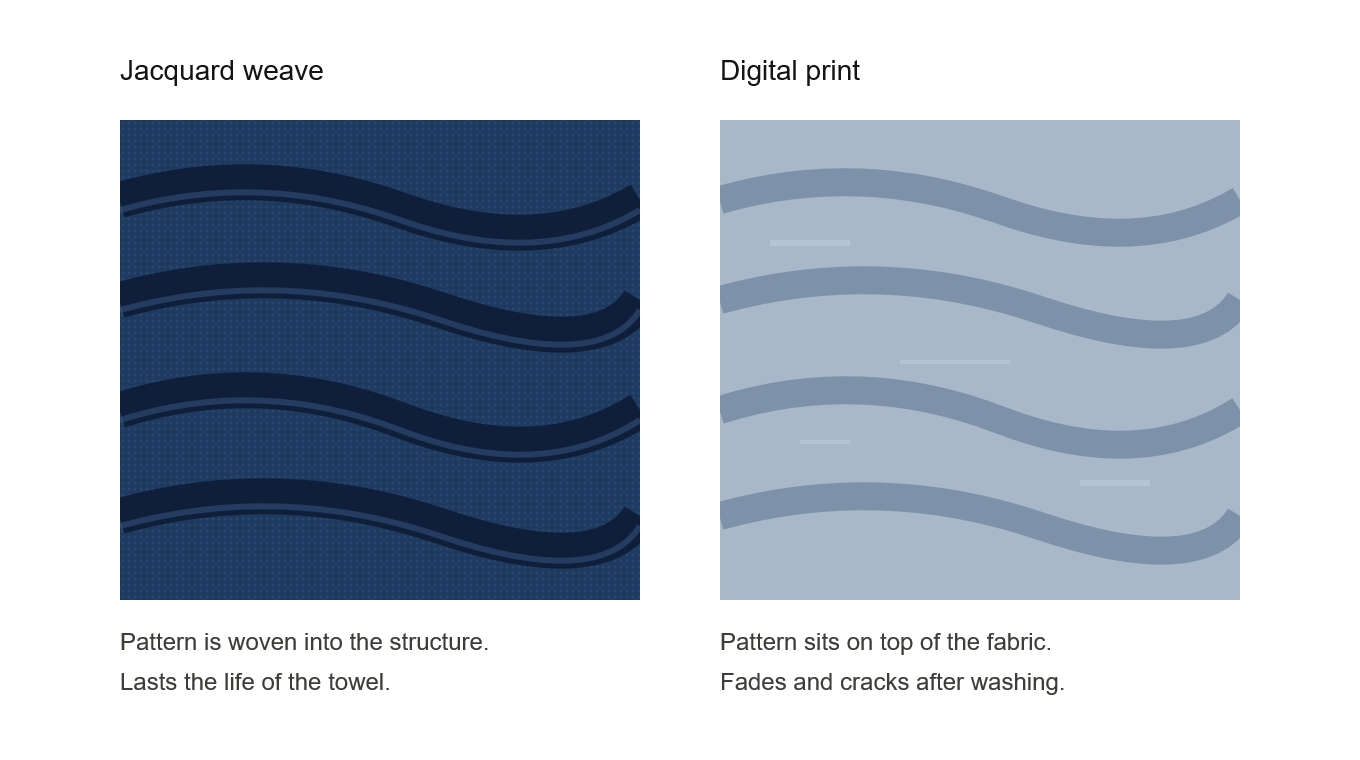
Why the Beach Towel Market Isn't Saturated — It's Mis-Sourced
A field guide for e-commerce brand owners on building a beach towel SKU that competes on product, not price. Covers GSM, dimensions, jacquard vs. print, and the economics of getting it right.
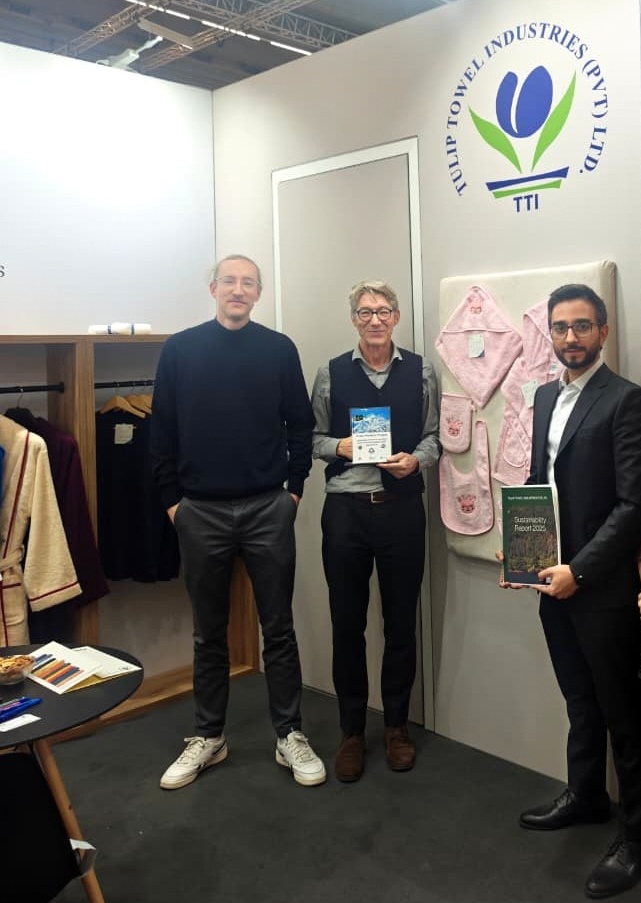
Heimtextil 2026 — We Were There
A recap of Tulip Towel Industries at Heimtextil 2026, Frankfurt — Hall 8, Stand K45. See the terry, zero-twist, bamboo, baby and bathrobe collections we showcased to global buyers.
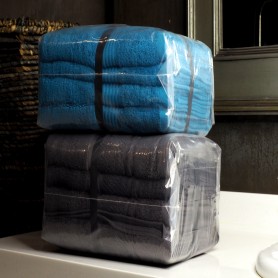
Sourcing Towels & Home Textiles for E-Commerce: Quality, Packaging & Supplier Tips
Discover how to source high-quality towels and home textiles for your e-commerce brand. Learn about certifications, packaging, and supplier strategies to grow online sales.

How to Choose the Best Towels for Your Hotel or Retail Business – A Buyer’s Guide
A practical buying guide for hotels and retailers — GSM, yarn types, certifications and supplier checklist.

Baby Towels Wholesale — Hooded Towels, Bibs & Nursery Sets | OEKO-TEX Manufacturer
OEKO-TEX Class I certified baby hooded towels, bathrobes and wash cloths — manufactured in Pakistan. Custom embroidery and gift packaging available from MOQ 300 per colour. 800KG per Order.
Heimtextil 2025 Recap — What We Showed in Frankfurt
Tulip Towel Industries at Heimtextil 2025, Frankfurt — the collections we showed, what buyers were asking for, and what it told us about where the market is heading in 2026.
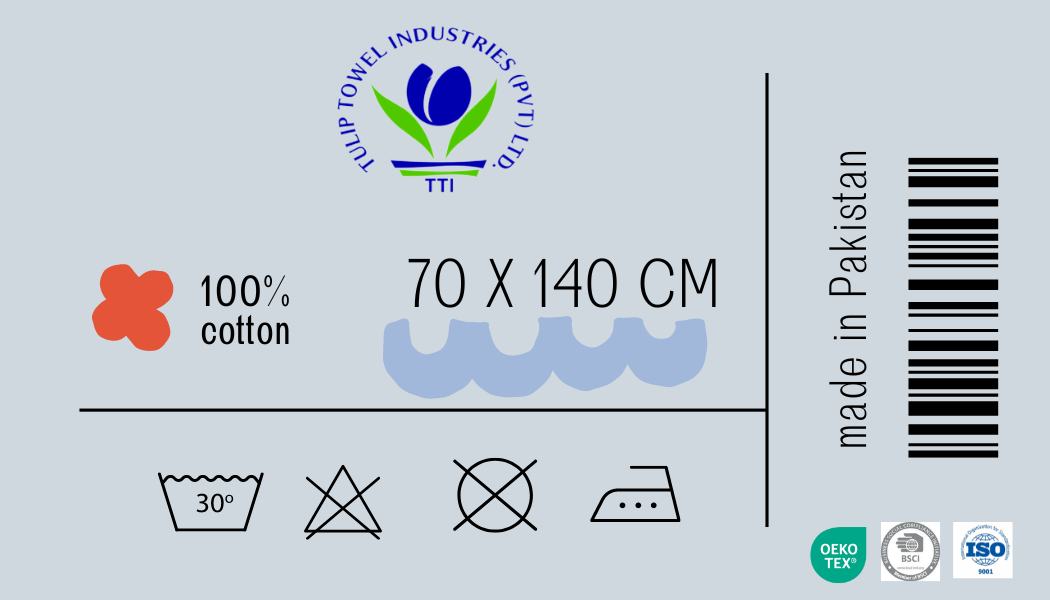
What is GSM in Towels? Complete Guide for Sourcing Managers
As a sourcing manager, selecting the right towels is all about balancing quality, durability, and cost. GSM — grams per square metre — is the key specification to understand. This guide explains what GSM means and how to choose the right weight for your hotel, spa, or retail business.